Hilton Honors American Express Surpass Card vs Marriott Bonvoy Boundless Credit Card
Fees, rewards and real yearly value, side by side. Updated October 29, 2026.
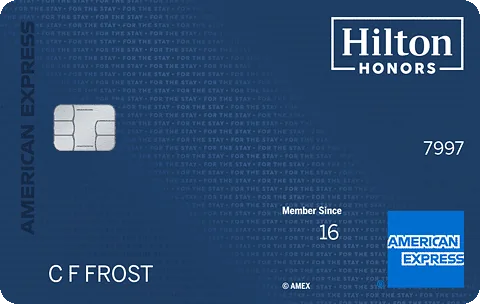
Hilton Honors American Express Surpass Card
Estimated value every year on typical spending
$76/ year
Every year, after the annual fee. Year one adds a $650 welcome bonus: $726
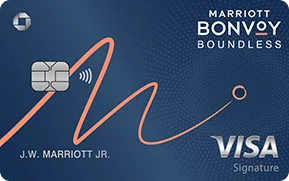
Marriott Bonvoy Boundless Credit Card
Estimated value every year on typical spending
$525/ year
Every year, after the annual fee. No welcome bonus.
The short answer
- On typical spending, the Chase Marriott Bonvoy Boundless Credit Card comes out ahead: about $525 a year after its fee, against $76 for the Hilton Honors American Express Surpass Card.
- In the first year the welcome bonus flips it: the Hilton Honors American Express Surpass Card is worth about $726 in year one.
- The Chase Marriott Bonvoy Boundless Credit Card earns more on groceries, dining, gas, travel, everything else.
- The Chase Marriott Bonvoy Boundless Credit Card costs $55 less a year to hold.
Side by side
| Hilton Honors American Express Surpass Card | Marriott Bonvoy Boundless Credit Card | |
|---|---|---|
| Annual fee | $150 | $95 |
| Rewards | 12X Hilton Honors Bonus Points on eligible Hilton purchases; 6X Points at U.S. restaurants, supermarkets, and gas stations | 17X total points per $1 spent at hotels participating in Marriott Bonvoy |
| Welcome bonus | Earn 130,000 Hilton Honors Bonus Points + A Free Night Reward after you spend $3,000 in purchases on the Hilton Honors American Express Surpass® Card in the first 6 months of Card Membership. | Earn 3 Free Night Awards after spending $3,000 on eligible purchases within 3 months of account opening. |
| Credits counted | $70/yr | $150/yr |
| Intro APR | Not listed | Not listed |
| Regular APR | 19.74% to 28.74% variable | 19.49% to 27.99% variable |
| Foreign transaction fee | None | None |
| Credit needed | Not specified | Good/Excellent |
Yearly rewards by category
| Category (monthly spend) | Hilton Honors American Express Surpass Card | Marriott Bonvoy Boundless Credit Card |
|---|---|---|
| groceries ($500) | $30 | $84 |
| dining ($400) | $24 | $101 |
| gas ($200) | $12 | $34 |
| travel ($300) | $18 | $50 |
| everything else ($1,200) | $72 | $202 |
Yearly value is rewards plus credits you'd realistically use, minus the annual fee, on $2,600/month: $500 groceries, $400 dining, $200 gas, $300 travel, $1,200 everything else. Points use conservative cash values; store-only rewards count at half. How we rank · Use your own spending
Questions people ask
Which is better, the Hilton Honors American Express Surpass Card or the Chase Marriott Bonvoy Boundless Credit Card?
On typical spending the Chase Marriott Bonvoy Boundless Credit Card is worth more: about $525 a year after its fee, against $76 for the Hilton Honors American Express Surpass Card. Which is better for you depends on where you spend most; see the category answers below.
Which has the lower annual fee?
The Chase Marriott Bonvoy Boundless Credit Card ($95 a year, against $150).
Which is better for groceries?
The Chase Marriott Bonvoy Boundless Credit Card. On $500 a month of groceries it earns about $84 a year, against $30 with the Hilton Honors American Express Surpass Card.
Which is better for dining?
The Chase Marriott Bonvoy Boundless Credit Card. On $400 a month of dining it earns about $101 a year, against $24 with the Hilton Honors American Express Surpass Card.
Which is better for travel?
The Chase Marriott Bonvoy Boundless Credit Card. On $300 a month of travel it earns about $50 a year, against $18 with the Hilton Honors American Express Surpass Card.
Which is better for gas?
The Chase Marriott Bonvoy Boundless Credit Card. On $200 a month of gas it earns about $34 a year, against $12 with the Hilton Honors American Express Surpass Card.
Put any two cards head to head.
Pick any cards, including ones you already hold, and compare them on your own spending.
Open CompareRelated comparisons
- Marriott Bonvoy Boundless Credit Card vs Marriott Bonvoy Bevy American Express Card
- Hilton Honors American Express Surpass Card vs Hilton Honors American Express Aspire Card
Card details are collected from issuer websites and were last refreshed October 29, 2026. Terms change often; confirm them with the issuer before you apply.